Wednesday, 22 May 2013

Running Away from the City: Hachijō-jima

Getting bored sitting in the office, facing the rectangular screen. And my mind still hang in the southern island.

DSC_2123

That's my yearly run away. Run away from the concrete city. Run away from work. Run away from the realities.

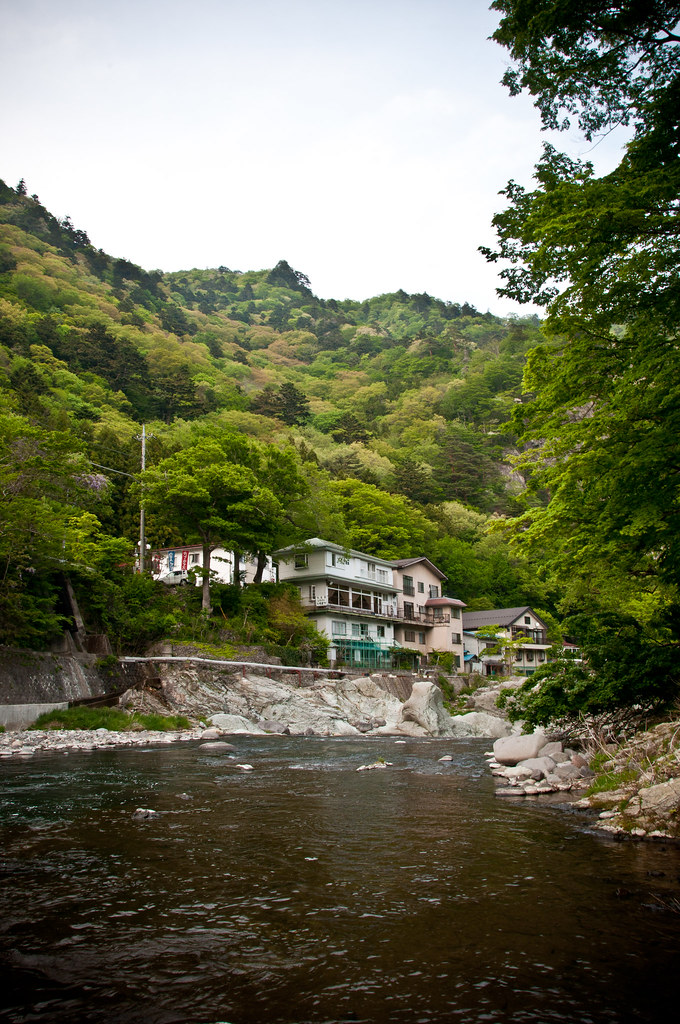
My second camping trip with Tokyo Gaijin, to Hachijō-jima, a volcanic island, located at the southernmost of the Izu Seven Islands. 12 hours ride on the ferry and what welcome us was the spectacular sun rise in the middle of the sea.

DSC_2038
DSC_2061
DSC_2066
IMG_4017
IMG_4044

DSC_2127

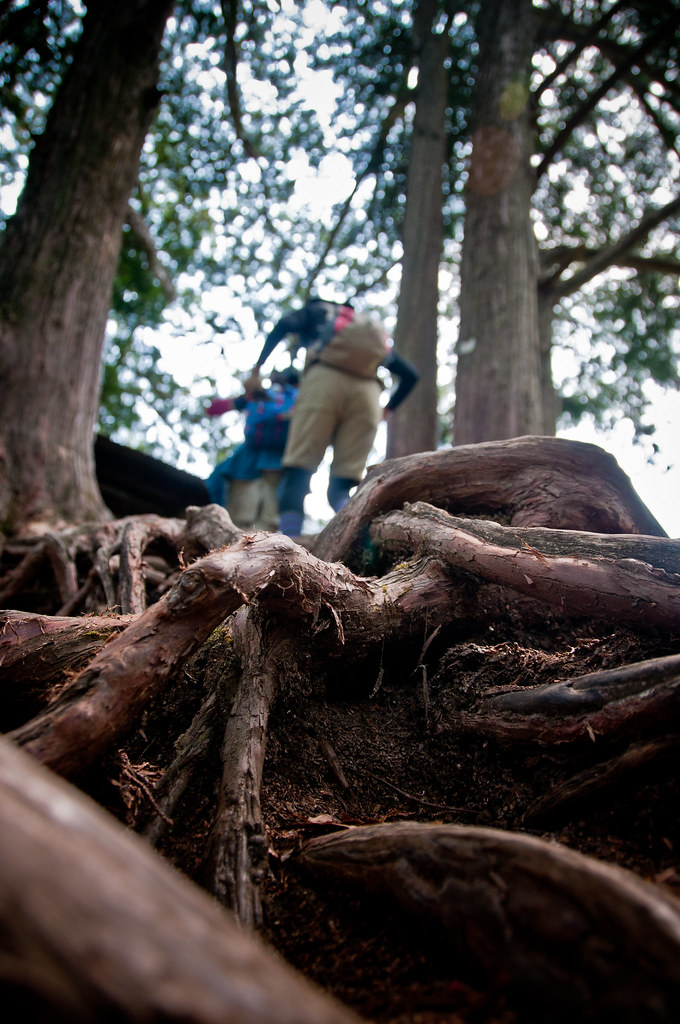
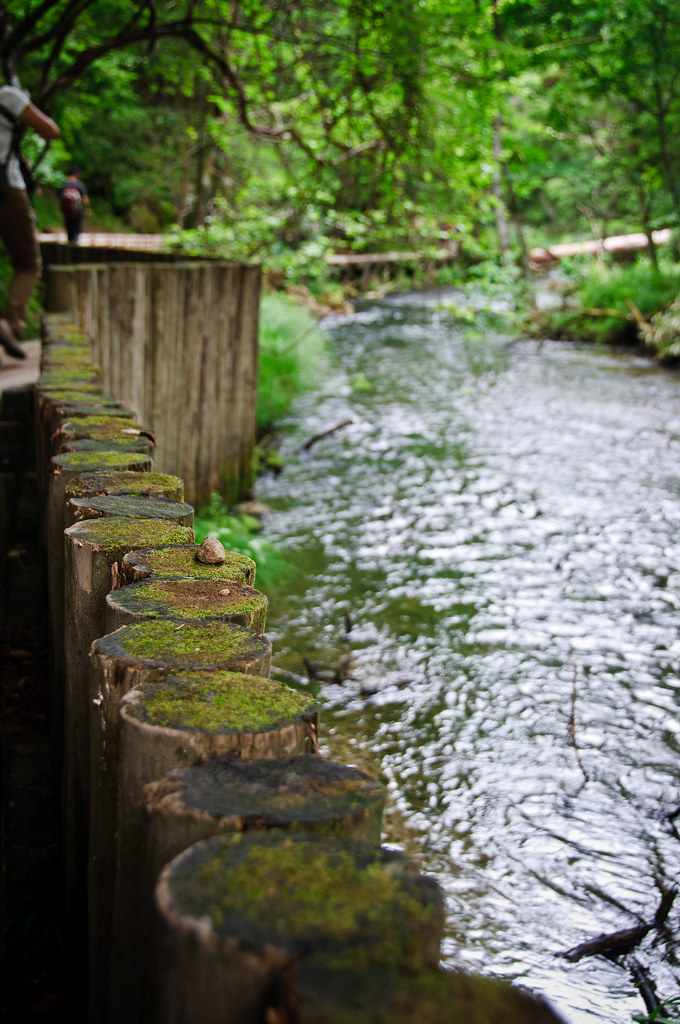
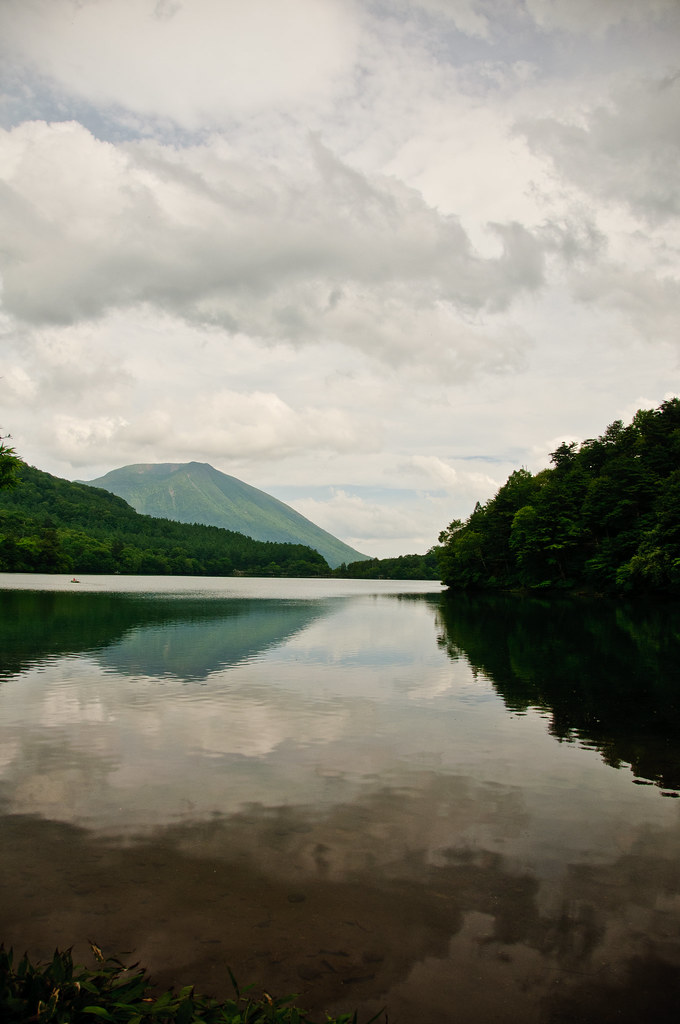
The island is famous for diving. Me, not even a good swimmer, had to cross that out from the to-do list shamefully only hoping that some day in the future, I can get pass my phobia with the sea and dive into the mysterious world... crossed out the sea, concurring the volcanic peak of Hachijō-fuji was the best experience I had on the island.

DSC_2156
IMG_4049
IMG_4050-EditDSC_2145
DSC_2153

DSC_2222-Edit

IMG_4051-Edit
DSC_2250
DSC_2269
DSC_2260
DSC_2261
IMG_4052-Edit
DSC_2278
DSC_2299

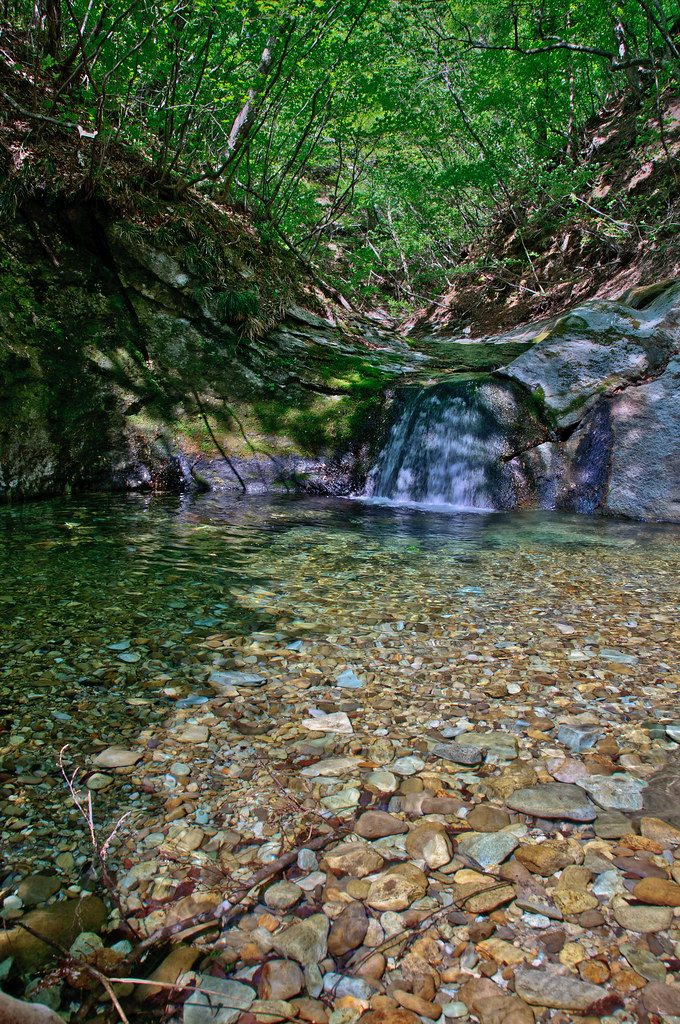
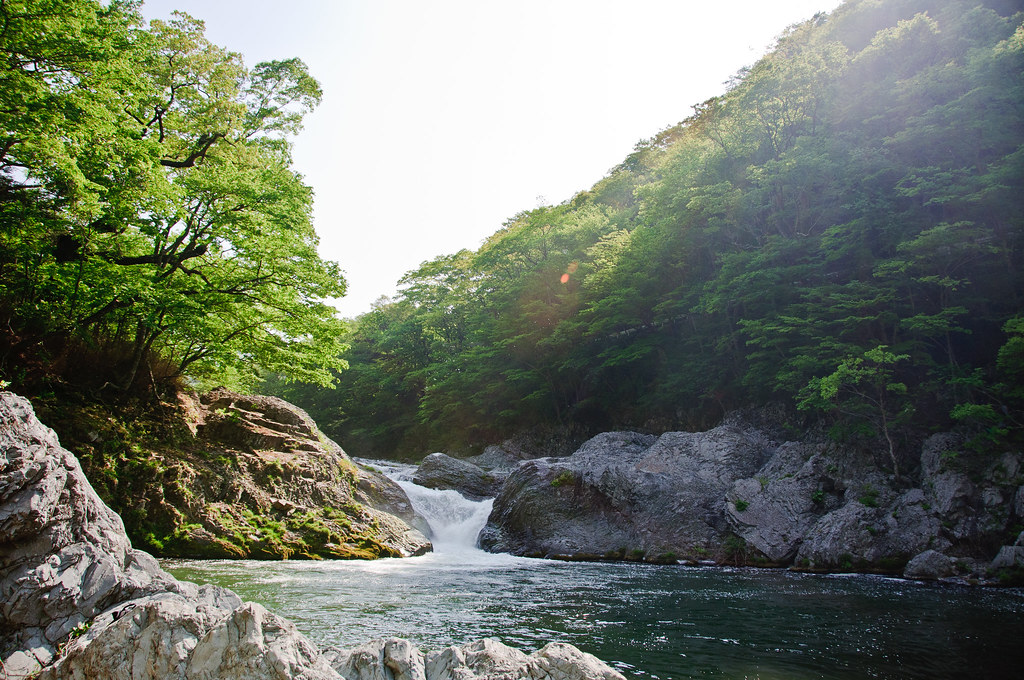
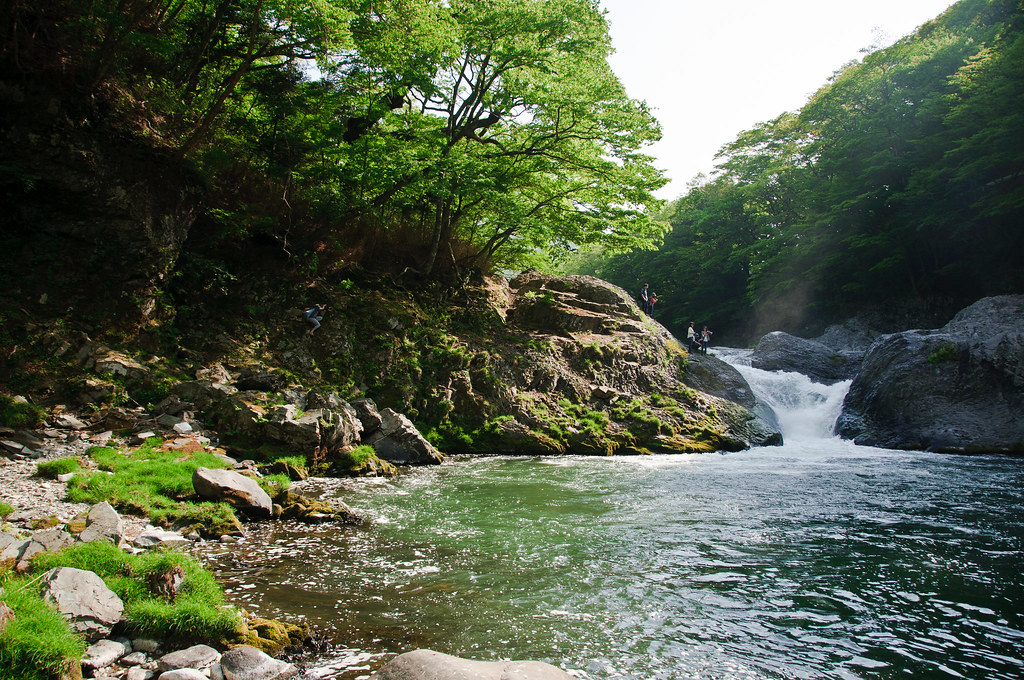
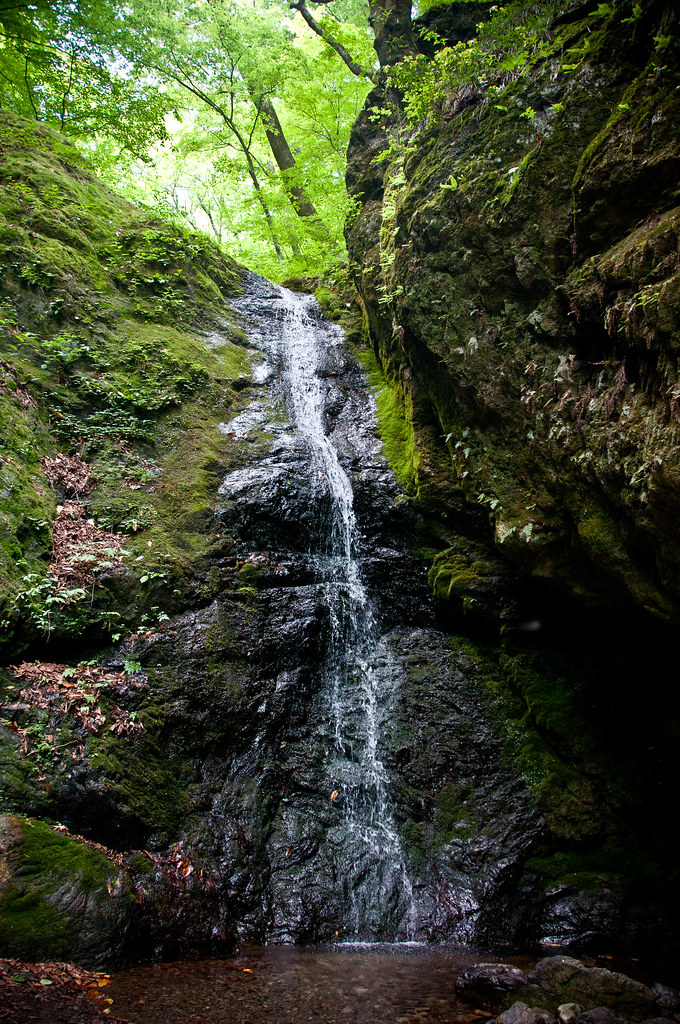
There is another peak Mt. Mihara on the island, but it was a disappointment especially when the expectation was lifted with the Hachijō-fuji. The route to waterfalls seem abandoned and the hike end with a long hours of walks.

DSC_2352

DSC_2353
DSC_2377DSC_2367

DSC_2378

DSC_2385

It was children's day and there was the festival, with a routine fire-stunt shows. Tried out some long exposure shot hand holding the camera. Most of them craps but got a couple that maybe some will called art?

DSC_2389DSC_2402DSC_2420


DSC_2493

DSC_2516

And my trip end with a terrible news from Malaysia. Death of Democracy. We failed to throw out the rotten government that had stayed on power for too long. With dirty tactics, apparently they managed to hold on their breath for another five years. The sun rising in front of me was a big gap of what I felt about the future of my country in the hand of a group of racist morons...

DSC_2596

DSC_2625

DSC_2656DSC_2652DSC_2663DSC_2646


As for today, racist issues is again played, student activist was detained. The road to true democracy seem far and unattainable...sometimes I can't help but questioning myself, why hide in Japan and complain? Why not try to change something? Why not go back and fight along with the fellow Malaysian..........

IMG_4088


Tuesday, 9 April 2013

Happy Face.

Can't fall asleep.

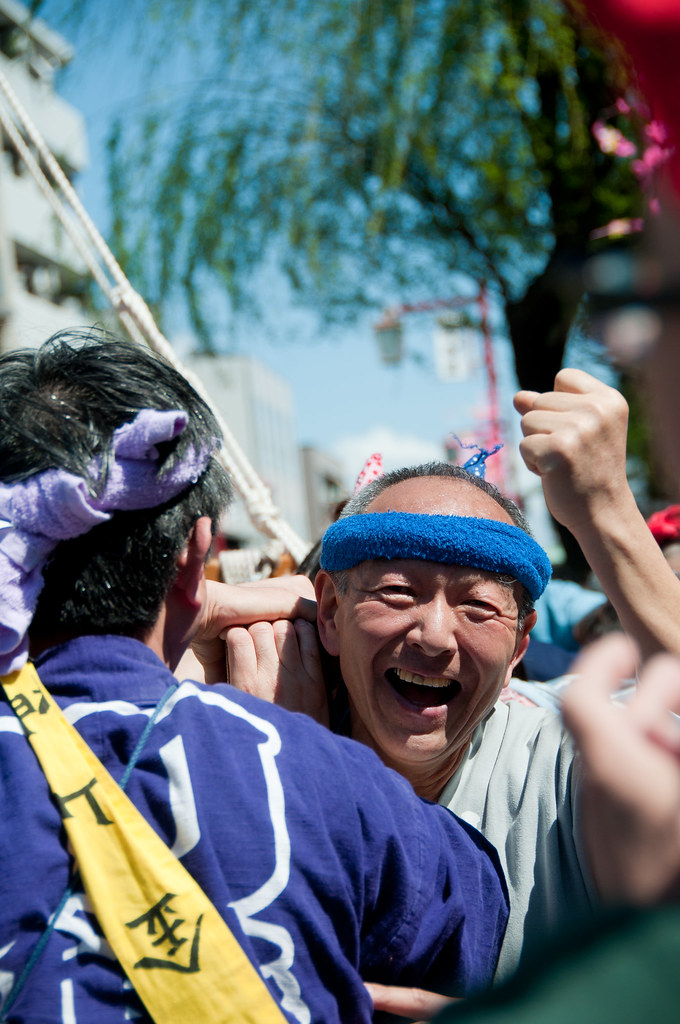
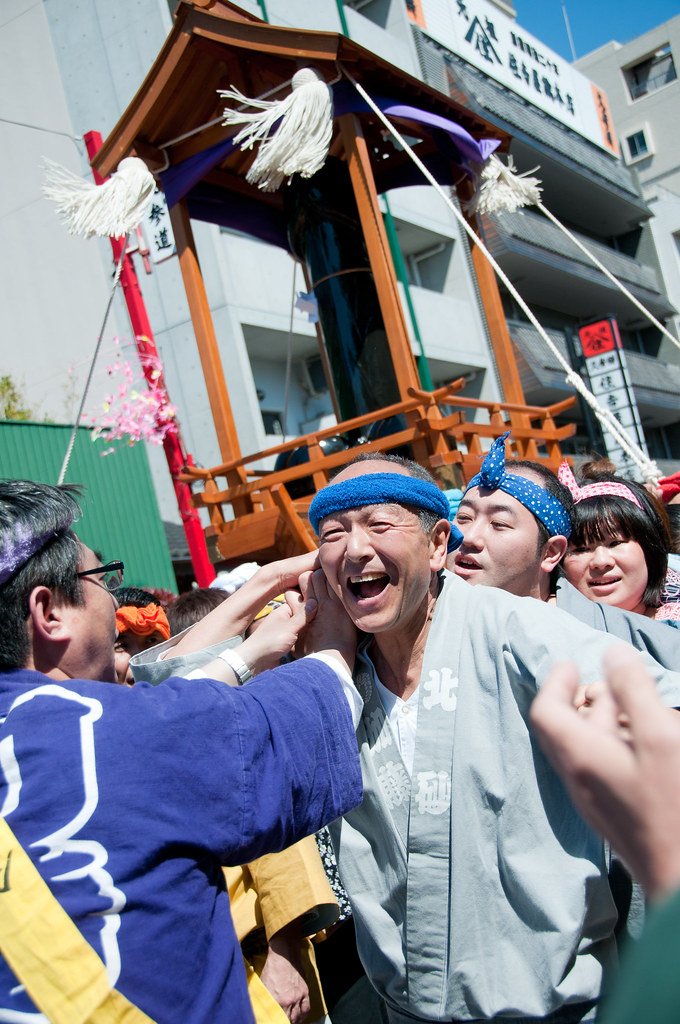
Flipping through my camera, reviewing photos I took in a local festival yesterday,  and this one caught my eyes.

Happy Face


This Ojiisan had my attention on for the whole parade, but every time when I tried to put my eye on the finder, I was blocked by the crowds. So I follow along, waiting patiently for the moment, the moment to fire the shutter. Then, I spot an empty space in the parade, without even thinking, I jumped in, zoomed and pressed, and pulled myself out again. Everything happened so fast, but my instinct told me, that I nailed it, I had the shot.

It may appeared to be just another random portrait,  but I find that the Ojiisan's smile and his high spirit had brought the photo to life. Hopefully the photo will put a smile on your face as well!  

Ok, time to try to put myself to bed again. Good night!

Sunday, 10 March 2013

Food Dairy: Teochew Braised Duck 【食记:潮州卤鸭】

卤鸭,潮州人过年少不了的年菜。我妈祖籍潮州,过节,祭祖,少不了自家卤的鸭。印象中,也只尝过我妈和她妹的手艺,想找家餐厅点道潮州卤鸭恐怕也没那么容易。

卤鸭I


卤,是中餐的烹饪技巧之一。把原料放入卤汁中慢火烧煮成熟,让卤汁渗入,晾凉后便可食用。卤蛋,卤肉较为普遍,不过卤味当中,卤鸭可是极品。就算是北京烤鸭也要让它三分。
卤菜做的好不好,考的就是卤汁调制的功夫。所谓的"色香味"俱全,菜未入口前,要看得上眼,要挑得起食欲,所以说"色"排在头位也不无道理。那卤味的调色、要拿捏的好。太淡了,激不起食欲,太浓了就有煮老了,煮焦了的嫌疑。当然,最简单的就是加大量的老抽,靠老抽的浓色酱汁给原料上色。不过总觉得,老抽的色泽太过浓烈,会把整道菜给弄的黑漆漆的。所以,家里老妈子的食谱会以熬焦糖开始。

细白砂糖熬煮到呈棕红色,开始闻到焦糖味时熄火,迅速浇入热开水,焦糖液既成。然后加入卤汁不可缺的香料 - 丁香,八角,桂皮,陈皮,草果,南姜。潮式的卤味,南姜是关键,绝不可缺。卤汁中要有南姜,鸭肚子里也要塞入姜块,卤熟后才取掉。最后依口味加入适量的盐,以及老抽。鸭子入锅,慢火卤煮时,要不停地给鸭翻身,除了要让鸭身均匀上色之外,也要避免鸭皮沾上锅子。


卤鸭II

卤熟的鸭子,晾凉之后便可斩切上盘。不须任何酱料,味浓香软的卤鸭肉,不油腻,非常的开胃。吃卤鸭肉,不象吃鸡,不挑腿肉,只选胸肉,背肉,尤其是沾骨的部分。南姜的幽香,肉片还未入口,已想要喊加饭!


---------------------------------------------------------------------------------------------
后记:
在一位中国朋友的推荐下一口气把七集的「舌尖上的中国」给看完。就在观后的感动及冲动下,自己也想动笔把自己的舌尖上的故事给纪录下来。这个系列可维持多久没敢保证。就希望这第一篇不会是最后一篇。

要用英语写吃的,除了"delicious", "taste good"之外,就没本事写出好东西,却又不想让这原是英语的部落格变了调,只好硬着头皮也写一小段。不能字译,只能意译,见谅见谅。
---------------------------------------------------------------------------------------------


When talking about duck in Chinese cuisine, Peking Duck or Cantonese Roast Duck will be the first one to come to mind. But there is one dish - Teochew style braised duck that worth mentioning. Braised duck is a Teochew delicacy that won't be missed on our dining table during traditional celebration. As much as I love the dish, it won't be easily found in a local restaurant, the memory of my taste bud is deep rooted with my mum's recipe.


The balance between color, flavor and taste is important while braising the whole bird. You can depends solely on dark soy source for the coloring but to get the perfect dark golden brown colors, start from melting caramel coloring is a no-brainer.

After diluting the burned sugar with hot water, add in the following spice - cloves, star anise, cinnamon, orange peel, black cardamom, galangal, salt and soy source. Here, galangal is the secret ingredient in this cuisine. Galangal not only used in the cooking liquid, it is stuffed inside the cavity to add extra flavor to the meat. While braising the whole duck, turn the bird often to color it evenly.

The fully cooked duck is then cool down before cutting into serving pieces. While drumstick is always the part of choice for chicken, I prefer to go for breast meat for this particular dish. The long hours of braising added enough flavor to the duck. The juicy and succulent meat goes best without any extra sauces.

While I try to divert my diet towards vegetarian, cutting down meat consumption in recent years, I can't really resist the temptation once I'm back into my mum's kitchen. As a meat lover, saying no is near impossible. I guess I can only be a vegetarian in my own kitchen after all :P


卤鸭III


Saturday, 9 March 2013

New born: Color or B&W?

Another new member in the family!

Color

New born: Color

or B&W ?

New Born: B&W

What do you think?


Sunday, 24 February 2013

The Lunar New Year

"What do you do during new year?" A Japanese colleague asked when I told him that I'm taking a week off back to my hometown.

While I dug deep into my memories, finding words to explain a foreign culture in a short few sentences, I found that I'm short of words. Not that I've forget how we celebrating new year, but new year means a lot different to me ever since I left home 9 years ago.

When I was a child. New year means school holidays, lots of snacks, soft drinks, fireworks, late night movies. Those were childhood/teenage memories.

Now, new year for me is all about reunion. That's always reunion element in it, but when everyone stay under the same roof, the meaning of it never seem significant. The perspective changed when you are aboard. The time to go back to the family, relatives and friends is what I'm looking forward to.

Then, there are other part of new year, the cultural part that we tried to perserve. The Lunar New Year span across 15 days, with various rituals, dos and don'ts. I can't image anyone still follow all of them, even in my family, we chose to simplify thing, picking up parts that make sense to us.

祭祖

Ancestral veneration or ancestor worship is one of the main rituals during new year's eve. Sacrifices are made to altars as food, in the form of sumptuous feasts for the deceased. Burning offering is performed as well.

祭祖 II

The table of offering will be our reunion feast as well. We help along with the preparation, but my mum is the main chef behind all the dishes you saw in the photos. Talking about foods, there are a lot to write about. So, let's save them for another post in the future.

Before counting down to the new year, we will perform another ritual, which is more difficult to explain in plain word and make sense of, but let's make it simple as a ritual to pray for a prosperous year ahead. The offering in this round of prayer is limited to fruits and vege, which we will dress them up using red papers, the auspicious color for Chinese.

接财神

生菜(芹,蒜,葱)
Explosion noise of firecrackers marks the arrival of the new year. A rituals once used in ancient China to drive away evil spirits. Although firecrackers is banned in Malaysia, people still can get them purchased easily in the market, and new year is a great excuse to break the laws. :p

======

That's basically what we do in the new year eve. Different families have different rituals. Some stayed up all nights, some went to the temple. You can called some of the rituals superstitious, but I think most of us carry out those ritual with one intention, hoping for a great year ahead. So, whoever come across this blog entry, I wish the best for you as well! Happy New Year!


Wednesday, 6 February 2013

Snowy day...sort of

We all were expecting another big snow storm to hit Tokyo today, last one before we can say goodbye to the cold winter. But it turned out that the weather forecast has missed this one. It did snow, sort of, mixing with rain, in the end, no white Tokyo today...

Although we all need to admit that how inconvenient and troublesome a snow day will be, somewhere deep down inside my heart there's still a slice of disappointment. Maybe, for us who growth up from the tropical country, snow is like a dream, a miracle.

So before I head to my warm futon, expecting a snowy dream, here's 2 photos from a trip last month from Hida Takayama (飛騨高山). Good Night! Sweet Dream.


Snow day

Pure white


There was an error in this gadget

copyright © 2008 by Bihong